Motorcycles are simple in some ways and very demanding in others. There is less weight, fewer tires, and fewer parts hiding under the body, but every system has to do its job cleanly because the rider feels problems quickly.
A small issue with tires, brakes, chain tension, fluids, or steering can change how the bike handles. That is why motorcycle maintenance is not only about keeping the machine running. It is about control, feel, safety, and catching wear before it turns into a roadside problem.
1. Tire Condition Affects Everything
Motorcycle tires do more than roll. They shape braking, cornering, stability, and road feedback. A tire with low tread, old rubber, uneven wear, or the wrong pressure can make the bike feel nervous even when nothing else is wrong.
Pressure should be checked regularly because motorcycle tires have less air volume than car tires. A small loss can make a bigger difference. Age should be checked too. A tire can still have tread but be too hard, cracked, or weathered to trust.
2. Brake Feel Should Stay Consistent
A motorcycle brake lever or pedal should feel predictable. If it gets soft, pulses, grabs, drags, squeaks badly, or needs more travel than usual, the brake system needs attention.
Pads, rotors, calipers, fluid, hoses, and hardware all affect stopping. Brake fluid also absorbs moisture over time, which can reduce performance and cause corrosion within the system. If the bike’s brakes feel different from how they did before, do not ride around the problem.
3. Chain Tension Is Easy To Overlook
On chain-driven bikes, chain condition and adjustment are important. A chain that is too loose can slap, jerk, wear sprockets, or create a harsh throttle response. A chain that is too tight can strain bearings, seals, and suspension movement.
The chain should also be clean and lubricated. Rust, stiff links, tight spots, and hooked sprocket teeth are signs that the drivetrain is wearing. Chain service is one of those small jobs that can prevent larger repair costs later.
4. Oil Service Protects More Than The Engine
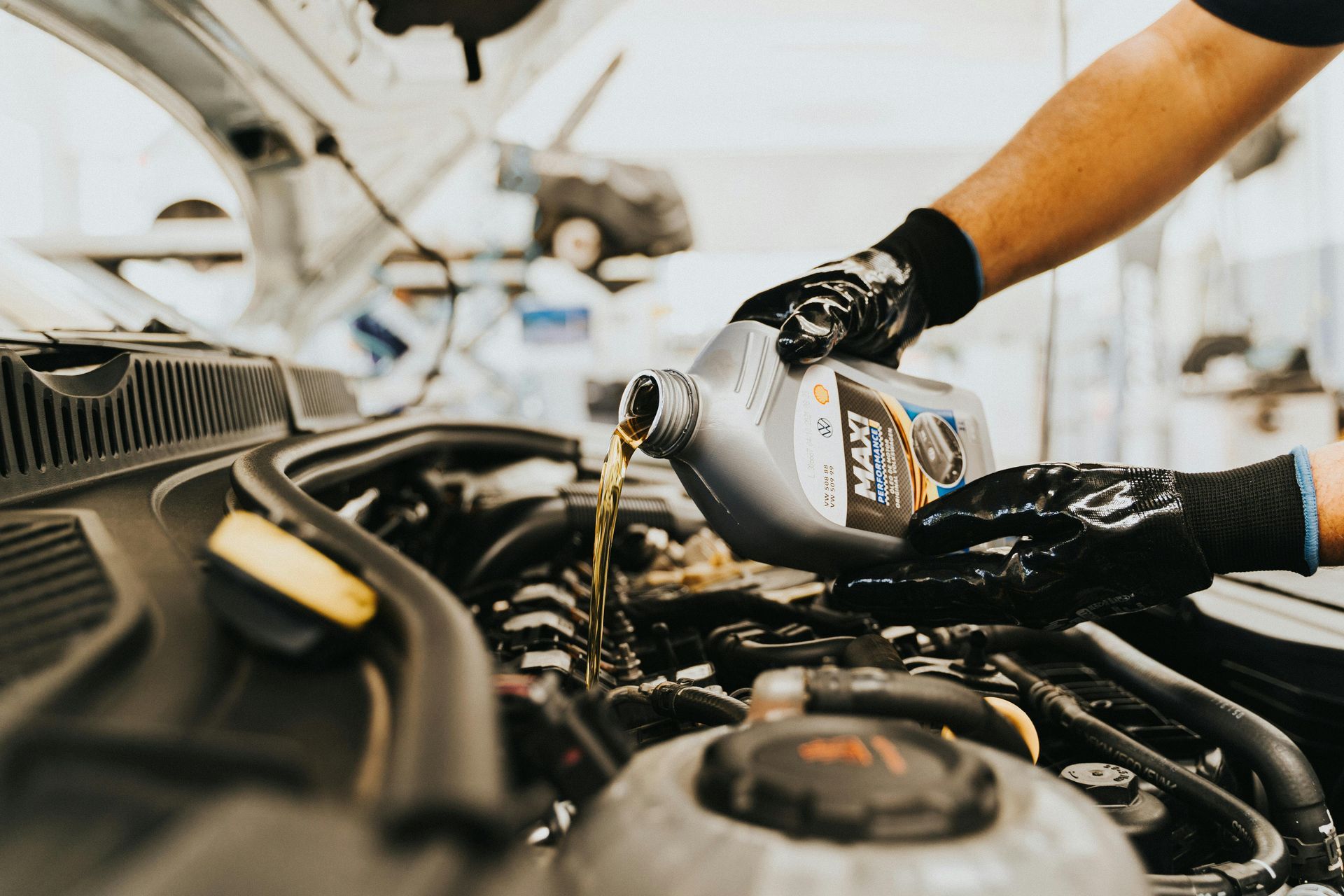
Motorcycle oil works hard. On many bikes, it helps protect the engine, clutch, and transmission together. That makes the correct oil type especially important. Using the wrong oil can affect clutch feel, shifting, and engine protection.
Oil level should be checked as the manufacturer recommends, since some bikes require the bike to be upright, warmed, or checked through a sight glass. Low oil levels can quickly damage internal parts. Old oil can also make shifting feel rougher and increase wear.
5. Coolant Problems Can Show Up Fast
Liquid-cooled motorcycles depend on coolant, the radiator, fans, hoses, thermostat, cap, and water pump to control heat. In traffic, heat can build quickly because airflow is limited. If the fan does not run or the coolant is low, the temperature can climb fast.
Watch for sweet smells, wet spots, steam, warning lights, or a fan that never seems to turn on. Overheating can damage gaskets and seals, so cooling system issues should be checked early.
6. Battery Health Can Fool You
A weak motorcycle battery can act fine one day and fail the next. Bikes often sit for longer periods between rides, and short trips may not fully recharge the battery. Cold weather and accessories can also reveal a weak battery.
Slow cranking, clicking, dim lights, or a bike that will not start after sitting can point toward battery or charging system trouble. The battery, stator, regulator, wiring, and connections should be tested before blindly replacing parts.
7. Suspension Wear Changes Confidence
Suspension problems can make a bike feel vague, bouncy, harsh, or unstable. Fork seals can leak, rear shocks can weaken, bearings can wear, and suspension settings can be wrong for the rider or load.
Leaking fork oil is not just messy. It can affect damping and may reach brake parts if ignored. If the front end dives too much, the rear feels loose, or the bike does not settle after bumps, the suspension needs an inspection.
8. Cables And Controls Need A Good Feel
Throttle, clutch, brake, and shift controls should move cleanly. Sticking, dragging, rough movement, or too much free play can make the bike harder to ride. A throttle that does not return correctly is a serious concern.
Cables can stretch, corrode, fray, or dry out. Hydraulic clutch systems can develop fluid or pressure issues. Controls are where the rider connects with the machine, so small changes should not be ignored.
9. Electrical Problems Are Often Connection Problems
Motorcycle electrical issues often come from corrosion, loose connectors, damaged wiring, weak grounds, blown fuses, or charging problems. Vibration, weather exposure, and age can all affect connections.
Lights, turn signals, charging voltage, starter operation, fuel pump function, and warning lights all depend on a stable electrical supply. If electrical symptoms come and go, the cause may still be real. Intermittent problems usually get worse with time.
10. Regular Service Prevents Bigger Repair Bills
Regular maintenance helps find small concerns while they are still manageable. Tires, brakes, fluids, filters, chain, lights, steering, suspension, and fasteners all deserve attention before long rides or after a bike has been sitting.
Motorcycles reward riders who stay ahead of wear. A bike that is serviced properly feels better, stops better, starts more reliably, and gives fewer surprises. Waiting until something fails can turn a simple service into a tow, missed ride, or expensive repair.
Get Motorcycle Maintenance And Repair In Waldorf, MD, With RAS Auto & Cycle
If your motorcycle needs tire service, brake repair, chain care, oil service, battery testing, cooling system work, or help tracking down a problem, RAS Auto & Cycle in Waldorf, MD, can help keep your bike ready to ride.
For motorcycle maintenance and repair, you can feel on the road.
Contact us to schedule an appointment.